What are the most common types of learning disabilities?
When we talk about learning challenges, we usually look at three main areas: reading, writing, and maths. Dyslexia is the most well-known, affecting how a child recognizes letters and sounds. This can make reading feel like a mountain they just can’t climb without the right gear.
Then there’s dysgraphia, which impacts written expression and fine motor skills. If your child’s handwriting is consistently messy or they struggle to get their thoughts onto paper, this is one of the common types of specific learning disabilities. Finally, dyscalculia affects their “number sense,” making even basic math concepts feel like a mystery.
How can you spot the early warning signs?
Early identification is the best gift you can give your child. In the preschool years, you might notice delayed speech or trouble with simple rhyming. As they enter primary school in Kerala, the signs of various specific learning disability types often shift toward academic tasks.
Do they avoid reading out loud? Do they struggle to follow multi-step instructions? Maybe they constantly reverse letters like ‘b’ and ‘d’. These aren’t just “phases.” They are signals that your child needs a different type of instruction to succeed.

Why does special education make such a difference?
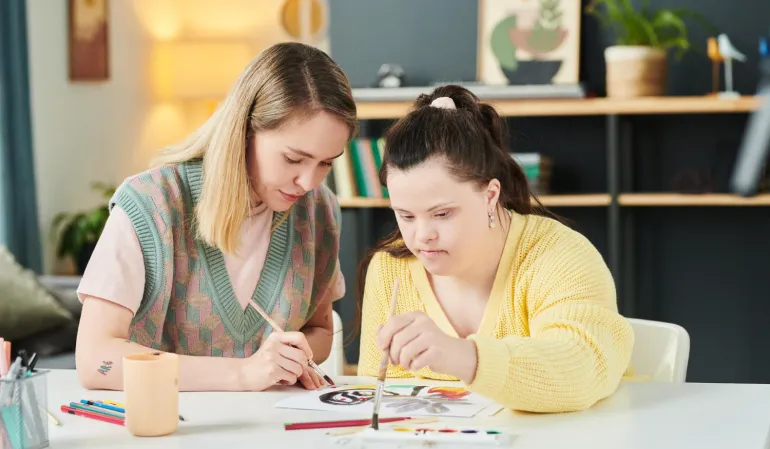
Special education isn’t about “dumbing down” the curriculum. It’s about building a bridge. At AIMS, our educators understand the various types of specific learning disabilities and use instructional scaffolding to provide support until the child can tackle tasks independently. We focus on their strengths, whether that’s visual-spatial awareness or a high verbal IQ.
Instead of a “one-size-fits-all” classroom, we create a plan that fits your child’s unique needs. This reduces the frustration and anxiety that often come with school struggles, allowing their self-confidence to grow alongside their grades.
Taking the first step toward support
If you suspect your child is struggling more than their peers, don’t wait. A professional evaluation by a multidisciplinary team is the only way to identify which types may be affecting them. Our centre in Pattambi offers comprehensive assessments that look at the whole child—from communication to motor skills.
We believe every child deserves the chance to thrive. With the right tools, specialized teachin
FAQ
The short answer? No. It’s about how the brain is wired to process information. Many kids with learning challenges have average or even genius-level IQs. They just need a different “operating system” for schoolwork.
Learning disabilities are lifelong, but that doesn’t mean they’ll always struggle. With the right strategies, kids learn to navigate their challenges so well that you’d never know they had them. It’s about building coping skills, not “curing” the brain.
Not necessarily. Many children thrive in inclusive classrooms with the help of remedial teaching or “shadow” support. Our goal is always to keep them as involved as possible with their peers while getting the help they need.