

How Do I Recognize the Signs of Anxiety in My Child?
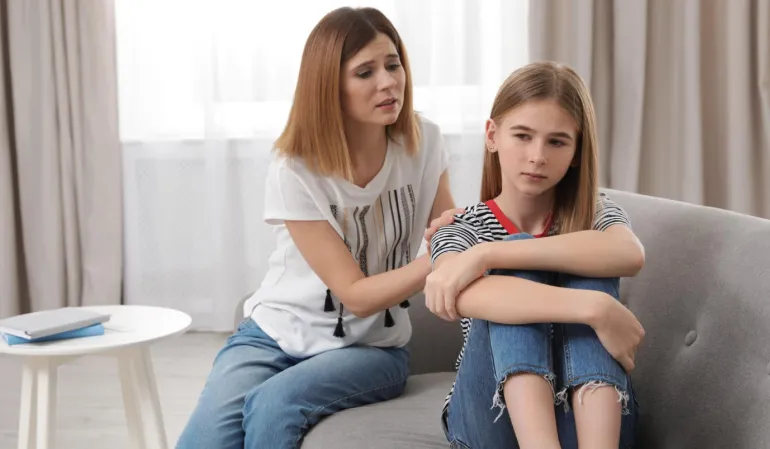
Anxiety in kids rarely looks like a miniature version of adult worry. Instead of saying, “I’m stressed about my social standing,” a child might refuse to attend a birthday party or wake up with nightmares. In Kerala, where academic and social expectations can be high, these signs often hide behind irritability or physical complaints.
You might notice they’ve become a “shadow,” following you from room to room. Or perhaps their teachers have mentioned they’ve stopped raising their hand in class. These behaviors are often the brain’s way of avoiding a situation that feels overwhelming.
What Are the Most Common Triggers for Kids in Kerala?
Every child is a world of their own, but certain patterns emerge. Many children struggle with separation anxiety—the intense fear that something bad will happen to a parent while they are apart. Others deal with social anxiety, where the fear of making a mistake or being judged by peers feels paralyzing.
At our centre in Pattambi, we also see anxiety triggered by major life changes, like starting a new school year or moving to a different neighborhood. When a child’s routine feels unpredictable, their anxiety levels spike. Providing a structured environment is often the first step toward helping them feel safe again.
Can Counselling Really Help a Young Child?
Absolutely. Counselling isn’t about sitting a child on a couch and asking them to vent. For kids, therapy is a safe, playful space where they can express “clogged up” thoughts without fear of judgement. We use age-appropriate strategies to help them name their feelings and build a toolkit for coping.
Our psychologists at AIMS act as guides. We don’t tell the child what to do; we help them and their families find a direction that feels better. By involving the whole family, we ensure that the progress made in the clinic continues at the dinner table.
The Path to Emotional Resilience
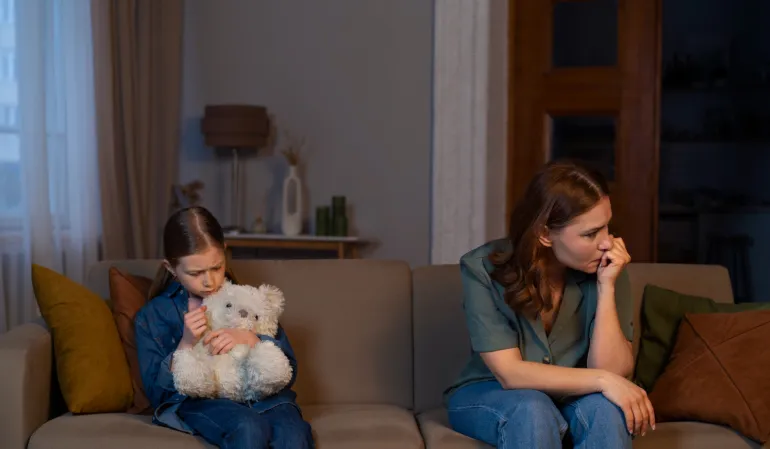
Early intervention is the greatest gift you can give an anxious child. When we address these fears early, we prevent them from growing into bigger hurdles during the teenage years. Our multidisciplinary team combines psychology with specialized care to support your child’s holistic growth.
We focus on measurable steps. Whether it’s learning deep-breathing techniques or gradually facing a specific fear, every small victory is a reason to celebrate. Your child has the potential to be confident and independent—they just need the right map to get there.
Final Thoughts on Anxiety Since Childhood
You don’t have to navigate your child’s fears alone. AIMS Child Development Centre has been a place of hope and care for families across Kerala dealing with childhood anxiety. Are you ready to help your child overcome their fears and find their smile again?
FAQ
Stop that thought right there. Anxiety is a complex mix of genetics, brain chemistry, and environment. It’s not about “bad parenting.” The fact that you’re looking for answers proves you’re exactly the advocate your child needs.
Shyness is a personality trait; anxiety is a barrier. If your child is slow to warm up but eventually joins in, that’s likely shyness. If they are distressed, crying, or physically ill to the point they can’t participate in daily life, that’s usually anxiety.
Not necessarily. Many children thrive with just counseling and behavioral strategies. At AIMS, we focus on skill-building and environmental changes first. If a child needs more support, we work closely with specialists to find the safest path forward.
Keep it simple. You can say, “We’re going to meet a friend who helps kids understand their big feelings so they don’t feel so heavy.” Make it about support, not about “fixing” something that is broken.