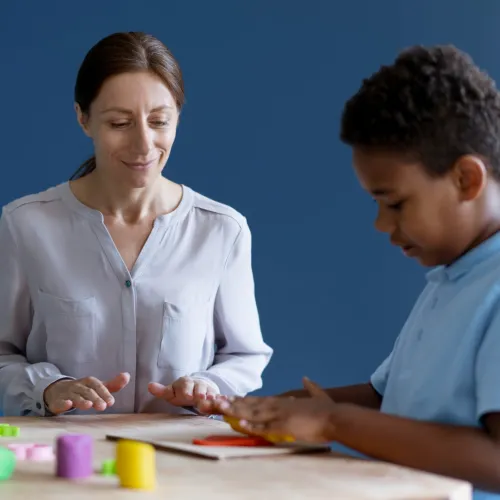
Child practicing daily living and motor skills during an occupational therapy session

Every individual — child or adult — has the right to experience daily life with confidence, independence and dignity. At AIMS Child Development Centre, our occupational therapy programmes are individualised for each person rather than simply based on an established textbook programme.

We work with children (ages birth – 22) as well as adults with Autism Spectrum Disorders, ADHD, Sensory Processing Disorder, developmental delays, learning disabilities, etc. to enable them to develop and maintain the functional skills they require for everyday living in multiple environments, including home and school and the workplace.

Our highly trained therapists located in Pattambi, Kerala, use best practices based upon research in the field of occupational therapy, combined with a caring, supportive approach. When you begin working with us, you will receive support from us through every stage of your journey, including consultations and assistance with at-home activities.

What Does Occupational Therapy Do?

 Occupational therapy (OT) services are designed to help individuals – both children and adults – complete their daily “occupations” of eating, getting dressed, writing, working, playing, and interacting with others. In this way, they help people complete their everyday lives with greater ease, confidence, and independence. Additionally, it provides support regardless of the diagnosis. The occupational therapist will look at the person to create a comprehensive programme that will meet their unique needs.

Occupational therapy for children is about developing base-level skills required for play, school, and self-care, while occupational therapy for adults will work to support an individual in recovering or maintaining the ability to perform meaningful daily activities after sustaining an injury and/or developing or managing a chronic health concern or adapting to another life transition.

Our organisation provides services to all individuals who seek our assistance regardless of their background or their abilities. Our therapy programmes create individualised treatment plans which include assessment of our clients’ cultural background and their family dynamics and their work requirements and personal objectives.

Conditions We Support

The occupational therapy team in Kerala provides specialised support to children and adults who have been diagnosed with these conditions:

In Children:

In Adults:

Signs Your Child May Need Occupational Therapy

You should consider an occupational therapy (OT) assessment if your child displays 3 or more of the following signs. Early intervention will improve outcomes:

Signs in Children

Signs in Adults

Step-by-Step Process of Occupational Therapy

Occupational therapy focuses on the needs of each individual, and understanding the process will give you and your families a clearer idea of what to expect from AIMS CDC.

Step 2: Goal Setting

Together with you (and your child where appropriate), we identify 3–5 clear, measurable goals. For example: 'Improve pencil grip within 8 weeks' or 'Independently manage morning routine by the month's end.'

Step 1: Initial Assessment

Our therapist assesses your complete development or functional profile through standardised assessment tools and structured evaluation methods which measure your fine motor skills, gross motor abilities, sensory processing capacity, self-care skills, handwriting proficiency and social-emotional development.

Step 4: Home Programme

Provides you with an efficient home exercise guide which enables your therapy to continue throughout the time after you leave our centre. Family members and carers are active partners in the process.

Step 3: Personalised Therapy Sessions

The play-based therapy sessions include structured activities which keep children engaged throughout the session. We never use a one-size-fits-all approach — every activity is chosen to address your child's specific goals, whether play-based for children or task-orientated for adults.

Step 5: Progress Reviews

We evaluate development at regular intervals while adjusting therapeutic objectives according to achievements to maintain effective and engaging treatment sessions.

Types of Occupational Therapy We Offer

Occupational Therapy for Adults

Occupational Therapy for Adults

We offer comprehensive occupational therapy for adults to help them restore, keep, or adapt their functional abilities. We assist individuals recovering from a neurological incident, managing chronic diseases, managing their mental health, and assisting with the decline of their functionality related to ageing so that they can actively participate in every aspect of their day-to-day lives both in the workplace and within their community.
Paediatric Occupational Therapy

Paediatric Occupational Therapy

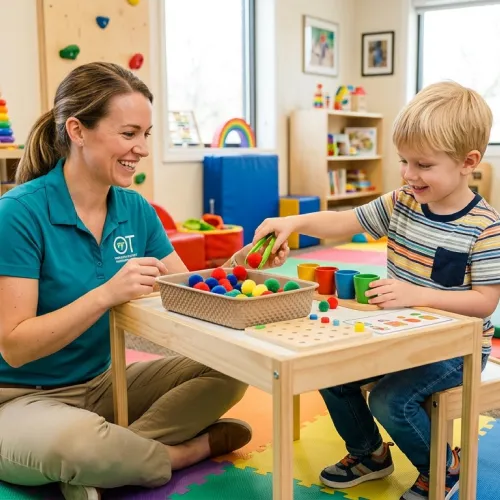
The primary service which we provide for children from 1 to 18 years old helps them develop their ability to live independently while participating in school activities and developing social skills through our evidence-based therapy sessions.

Fine Motor and Handwriting Therapy

Our fine motor programme helps children who have difficulty with pencil grip and letter formation and scissor use by developing their hand strength and coordination and endurance through activities that match their age group.
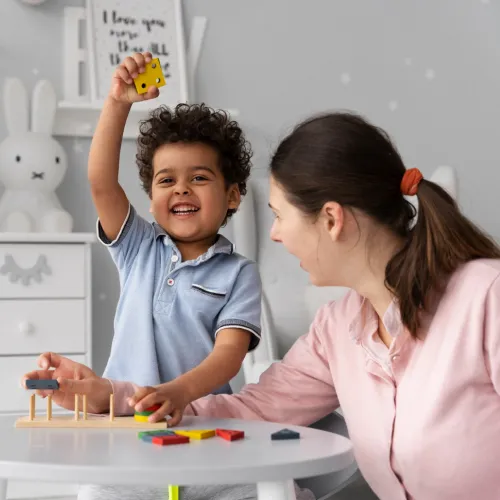
Sensory Integration Therapy

Sensory Integration Therapy

Children who experience difficulties with sensory processing usually get overwhelmed by common situations, but our programme helps them develop proper responses to various sensory stimuli, which include sound and touch and movement and light.
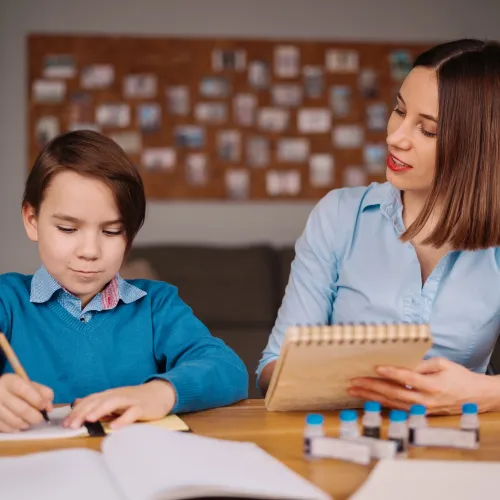
School Readiness and Academic Support

School Readiness and Academic Support

We help children who need to develop school readiness skills or who have difficulty in school by teaching them attention skills and sitting tolerance and pencil control and organisational techniques which will help them succeed academically.
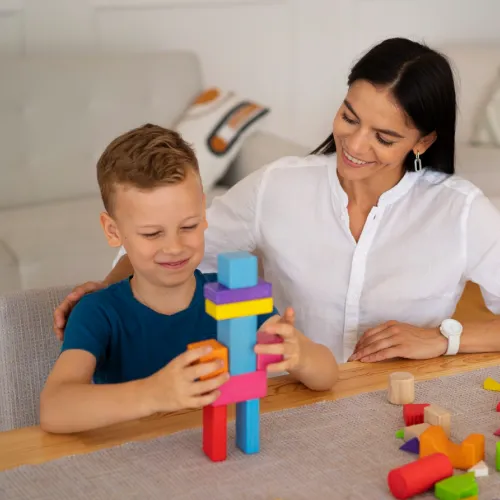
Activities of Daily Living (ADL) Training

Activities of Daily Living (ADL) Training

We assist children in developing their self-care skills, which include dressing, feeding, hygiene, and toileting, through adaptive methods and positive reinforcement.

Activities Used in Our Occupational Therapy (OT) Sessions

We engage individuals in a variety of purposefully designed activities during therapy sessions to help them develop specific skills while keeping sessions engaging and motivating: 

Benefits of Occupational Therapy (OT) for Children

We are working toward the ultimate outcome of therapy, which is not simply to have a therapy session but to develop skills that will allow each individual to perform activities independently and live a fulfilling life.

For Children:

For Adults:

Services

AIMS provides comprehensive therapeutic and educational support through a multidisciplinary approach, promoting independent living and overall development for individuals with diverse needs and challenges.

Our Therapists

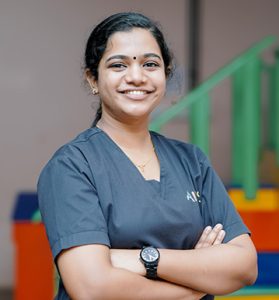
Ardra TR

Qualified, caring professionals lead AIMS CDC occupational therapy, bringing both clinical expertise and genuine warmth to every session.

(Occupational Therapist, Bachelor of Occupational Therapy (BOT), OPT Level 1 Certified. Specialises in paediatric OT, sensory integration, and fine motor development. )

Our multidisciplinary team at AIMS CDC coordinates occupational therapy with speech therapy, behavioural therapy,

and special education — so your child receives consistent, connected care from a team that communicates.

Occupational Therapy For Kids In Kerala

What Makes AIMS CDC the Right Choice for Occupational Therapy in Kerala?

we know that every child is unique, which is why our occupational therapy is never “one-size-fits-all.” We use different therapy approaches to match your child’s needs, making sure they feel supported and motivated every step of the way. Our goal is always to help children build skills, grow in confidence, and enjoy daily life.
Here are the main approaches we use:

  • Person-Centric Approach: Based on each individual’s unique needs, personality and goals, not based on a one-size-fits-all method.
  • Multidisciplined Approach: Speech, OT, behavioural, and special education therapy under one roof.
  • Partnering with Family & Carers: By providing training and guidance, the amount of progress can be potentially accelerated.
  • Location in Pattambi: Easily accessible for families from the Palakkad, Malappuram, and Thrissur districts.
  • Families Trust Us: Over 72 Google reviews indicate the tangible difference that we make in families' lives.
  • Emphasis on Early Intervention: The sooner support begins, the better the long-term outcome for both children and adults.
  • funfact-shape-6
    funfact-shape-7
    AIMS

    Why Choose Us

    +

    Years of Service

    k

    Children Supported

    +

    Expert Professionals

    +

    Sessions Conducted

    whychooseusaims

    Get in Touch with Us

    Helping Hands for Everyday Success—Connect With Us Today

      FAQ

      How do I know if my child needs occupational therapy?

      Your child should undergo an occupational therapy assessment if they experience difficulties with basic daily activities which include dressing and writing and maintaining attention in school and engaging in age-appropriate play.

      What age can I take my child for an occupational therapy assessment?

      Children between the ages of 12 and 18 months may undergo their first occupational therapy evaluation. All age groups with autism spectrum disorder should receive occupational therapy because it stands as the most effective treatment method. The programme helps children develop self-care abilities while teaching them to manage sensory input and interact with others. The programme provides adults with support for their executive function skills, which they need to succeed at work and live independently.

      How do occupational therapy and physiotherapy differ?

      Occupational therapy is focused on function, finding ways to help individuals accomplish the everyday tasks that are meaningful to them, such as self-care, play, learning, working and social interaction, while physiotherapy focuses on the physical capabilities: rehabilitation and movement. Both physiotherapy and occupational therapy are complementary services that can be accessed together.

      How long does a course of occupational therapy take?

      The duration of occupational therapy treatment depends on the specific requirements of each patient. Some show meaningful progress within 8–12 weeks. Those with complex needs require a treatment duration which extends beyond six months. The therapist will explain to you which timeframes are achievable after completing the first assessment.

      Can occupational therapy help children with autism?

      Yes. Occupational therapy is one of the most recommended interventions for autism spectrum disorder across all ages. The programme helps children develop self-care abilities while teaching them to manage sensory input and interact with others. The programme provides adults with support for their executive function skills, which they need to succeed at work and live independently.

      What should I expect in the first occupational therapy session?

      The first session acts as an evaluation process which leads into assessment. The therapist will observe you and your child while they perform different tasks, and he will ask you questions about your daily activities and difficulties, and standardised tools will help him to determine your current level of functioning. You will receive an oral summary of your session results along with recommended treatment methods before you leave.

      Do you provide a home exercise programme?

      Yes. Every individual receives a personalised home programme which contains multiple easy-to-do activities that they can perform between their scheduled sessions. The instructions are clear, and the programme is updated in accordance with progress.

      error: Content is protected !!
      Call Now Button